What happened
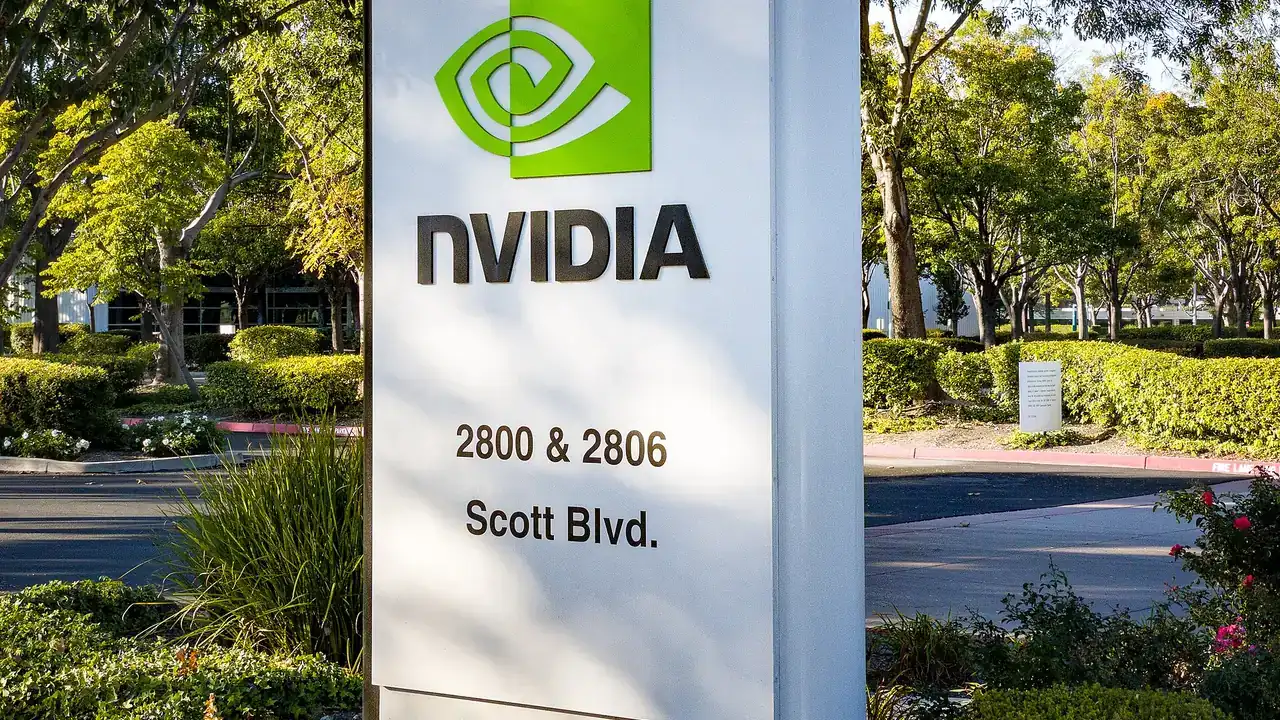
Nvidia announced it will acquire Hugging Face, the open-source model hosting platform, for $12.9 billion. The deal is officially confirmed, with Jensen Huang laying out the pitch in a blog post.
The headline promise: Hugging Face stays open. Huang says it will keep backing open-source and open-weight models and work on widening developer access. Developers keep their freedom to pick their own models, frameworks, clouds and inference providers.
The line everyone will quote: you will not need Nvidia hardware to build on Hugging Face or ship through it.
Huang also pointed to Nvidia's own track record on the platform. The chip giant has released more than 500 models and 250 open datasets there, and he argued it builds open models to get developers worldwide using them.
Why it matters
Hugging Face is where a huge share of the open AI world meets. Putting it under the roof of the dominant AI hardware vendor changes the power map, whatever the press release says.
TechCrunch spells out the upside for Nvidia. An open ecosystem it controls can be shaped into a platform that suits its chips. Nvidia can also sell its unused capacity to enterprise customers, bundled with Hugging Face's offering.
So the pledge is real, and so is the incentive. Both can be true at once.
The question is not whether Nvidia hardware will be mandatory on day one. Huang says it won't. The question is how many small nudges, defaults and discounts pile up over the years until the "optional" option feels like the only one.
Optional is a promise. Default is a business model.
Founded in 2016, Hugging Face had raised more than $395 million before this deal, per Crunchbase. Today's price tag is a very large multiple of that.
What it means for Europe
Europe will watch this closely. Our read: a hardware monopolist absorbing a key piece of open AI infrastructure is exactly the kind of consolidation that invites competition scrutiny and attention under the Digital Markets Act.
European labs and startups lean heavily on open models and shared hosting. If neutrality wobbles, they feel it first, and regulators in Brussels will likely want the openness pledge in writing, not just in a blog post.
What to do with it
- Mirror what matters.Keep local copies of the models and datasets your product depends on, so a policy change never becomes your outage.
- Test on more than one stack.Run inference on at least one non-Nvidia provider, so Huang's "not required" stays true for you in practice.
- Read the terms.Watch the platform's licensing and hosting terms over the coming months and flag any change that nudges you toward one vendor.
- Follow the regulators.If you build in the EU, track competition and DMA commentary on the deal, because it may shape your options.
Ciao, sapiens. The shovel seller now owns the map, so keep a copy of the map.