What happened
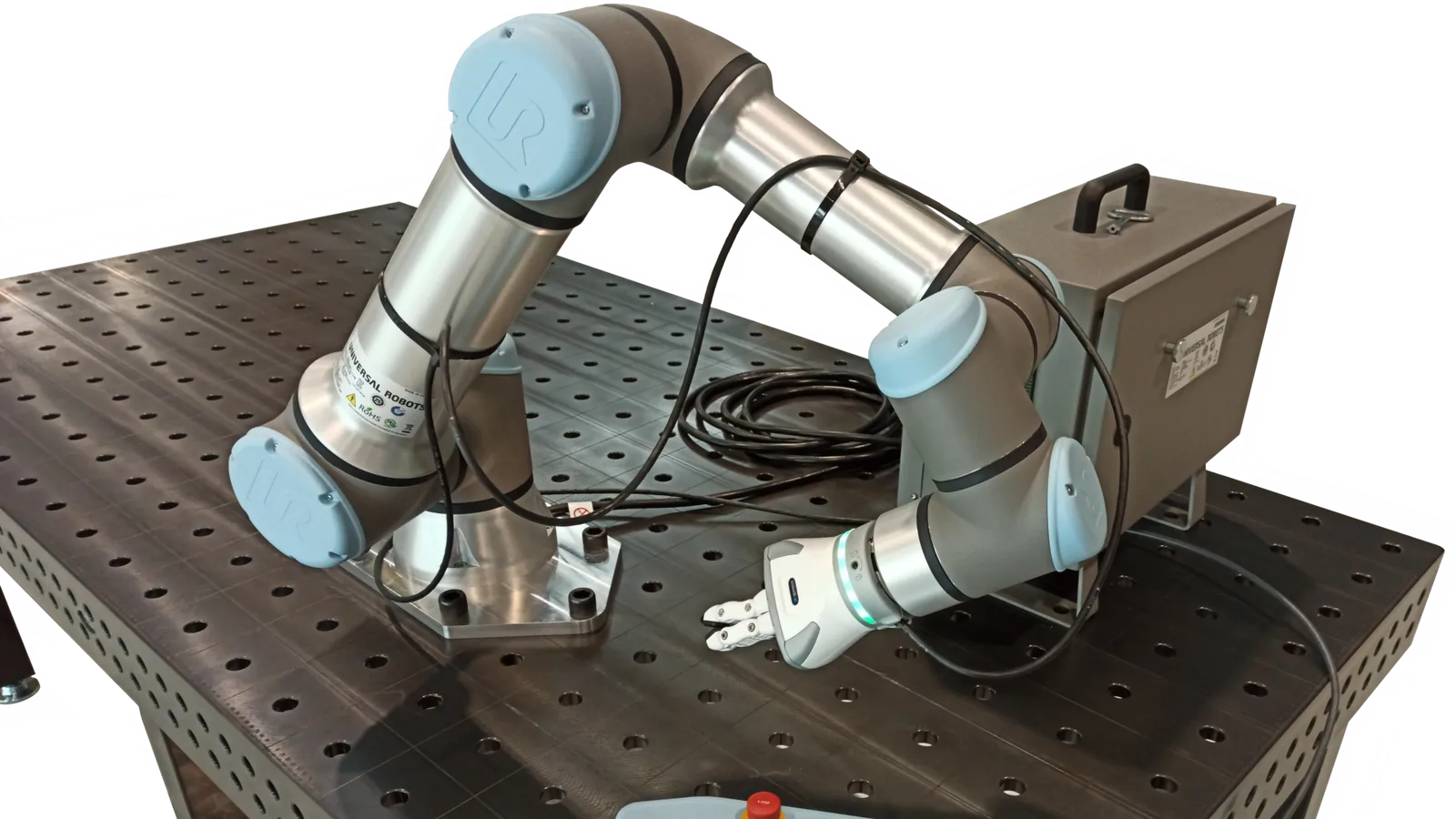
Bill Gates laid out a set of ideas for softening what AI does to the labor market, as TechCrunch reports. Two of them stand out: a "robot tax" and a category of work labeled "Human Reserved".
Start with the tax. Gates's argument is that the current system tilts the table. Hire a person and you pay payroll taxes on their earnings. Buy a robot and you can usually deduct it right away as a business expense. In his view, the tax code nudges employers toward swapping people for machines.
His fix is to slow that rush a little and use the money to fund retraining and a stronger safety net.
The tax system, as Gates sees it, already nudges employers toward machines over people.
The second idea is "Human Reserved" work: set aside certain tasks and bar AI from doing them, for economic reasons. TechCrunch calls it an interesting idea and one that would be easy for policymakers to enact.
On the wider debate, Gates sits mostly in the Responsible AI camp. He says Pacing the Frontier, the open letter from AI employees pushing for a slowdown, would be a good idea. He doubts it would be sustainable, though.
He also stays upbeat about what AI can do for science and healthcare. The worry is the labor side.
Why it matters
Gates is one of the loudest voices in the room, and these are concrete levers, not vibes. A tax-code tweak and a protected-jobs list are things legislators can actually draft. That is rarer than it sounds in AI policy, where much of the talk stays at "we should be careful".
TechCrunch notes that the worry about labor impacts is familiar territory if you follow Anthropic's policy work. The new part is the specific mechanics.
There is also a neat framing trick here. Gates doesn't say machines are bad. He says the tax system is already picking a side, and asks whether it should.
Expect pushback on both ideas. Defining which jobs count as "Human Reserved" is a fight waiting to happen, and so is deciding what counts as a robot. None of that is settled in what Gates has said so far.
What to do with it
- Check your own exposure.List the tasks in your job that someone could plausibly argue deserve "Human Reserved" status, and the ones that clearly don't.
- Follow the tax angle.If you work in finance, HR or policy, watch how automation spending is treated; that is where this debate would land first.
- Read the Pacing the Frontier letter.Form your own view on the slowdown question instead of borrowing a billionaire's.
- Pitch the retraining case.If your employer automates, ask now what reskilling budget comes with it.
Tax the robots if you like, sapiens. Just do not let them fill in the forms.